

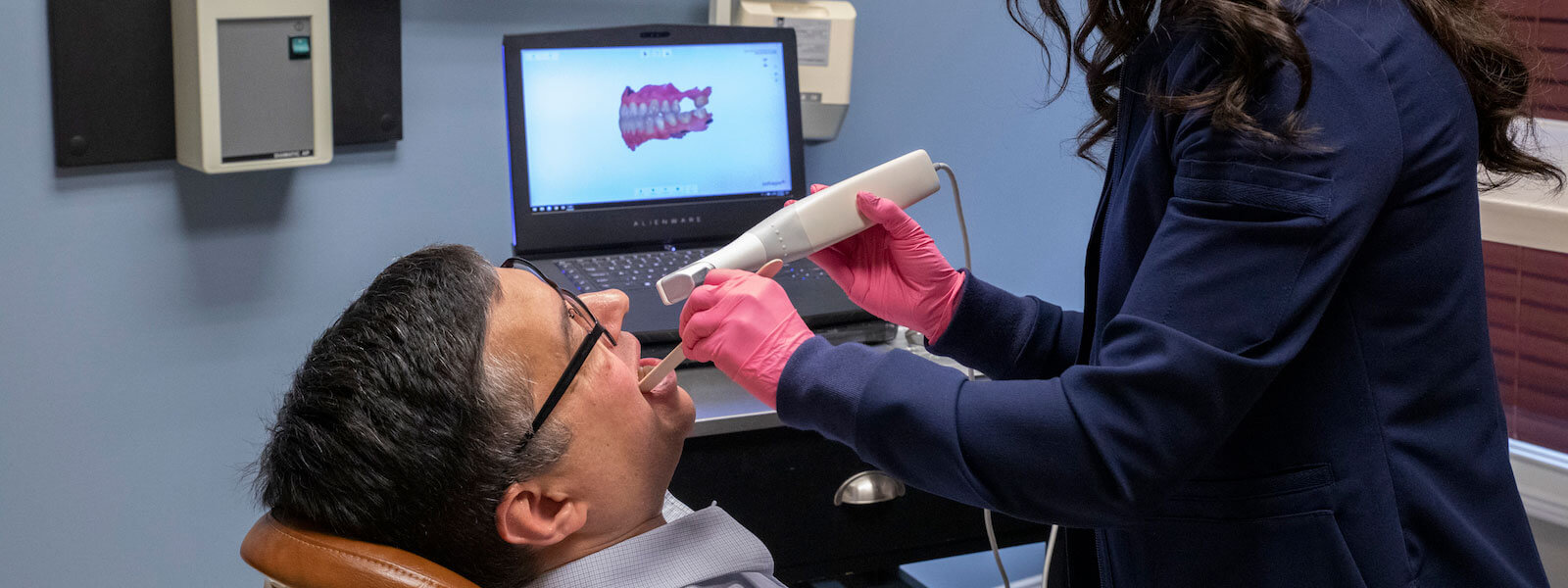
Let’s take a look at just how many people actually need wisdom teeth extractions.
Key Takeaways
-
Wisdom teeth removal is one of the most common oral surgeries for teens and young adults.
-
Early removal—usually in the late teens—helps prevent pain, infection, and long-term dental problems.
-
The procedure is safe, efficient, and comfortable when performed by an experienced oral surgeon.
-
Knowing what to expect helps parents and teens feel calm, confident, and well-prepared.
Who Is This Blog POST For?
This guide is for parents and teens preparing for wisdom teeth removal.
-
Parents: You want to make sure your child’s surgery is safe, comfortable, and scheduled at a convenient time. You’re likely thinking about anesthesia, cost, and recovery.
-
Teens and young adults: You may feel nervous and want to know what really happens before, during, and after surgery.
This blog walks you through everything — so you can make an informed, stress-free decision together.
What Are Wisdom Teeth and Why Do We Have Them?
Wisdom teeth are your third set of molars, usually appearing between ages 17 and 25. While they once helped humans chew tougher foods, today our jaws are smaller and often don’t have room for them to grow in properly.
When wisdom teeth don’t fit, they can:
-
Grow in at an angle (impacted teeth)
-
Cause crowding or damage nearby teeth
-
Lead to infections or cysts
The American Association of Oral and Maxillofacial Surgeons estimates that about 90% of Americans have at least one wisdom tooth that is impacted (stuck). An impacted tooth is the number one reason to have your wisdom teeth removed. If you’d like to learn more about how impaction happens, visit our guide on Impacted Wisdom Teeth: Everything You Need to Know.
How Common Is Wisdom Teeth Removal?
Each year, about 5 million Americans have their wisdom teeth removed. If you figure that each of those patients have all four teeth removed at the same time (which is the most common practice), you are looking at 20 million wisdom teeth being extracted!
About 85% of people will have them removed at some point. Most surgeries happen between ages 15 and 25, when recovery is faster and complications are less likely.
That's why many families plan the procedure during a school break or summer vacation.
It’s considered one of the safest, most routine oral surgeries performed today, especially when completed early by a skilled oral surgeon.
Why Do Dentists Recommend Removing Wisdom Teeth Early?
Removing wisdom teeth early — even before they cause pain — prevents problems down the road.
Here’s why timing matters:
-
Easier recovery: Teens and young adults heal more quickly.
-
Fewer risks: Roots are smaller and farther from major nerves.
-
Preventive protection: Stops infection, crowding, or gum irritation before it starts.
We explore this in more detail in How to Help Your Teen if They Need Their Wisdom Teeth Removed.
What Happens If You Don’t Remove Wisdom Teeth?
If wisdom teeth stay impacted or only partially emerge, they can lead to:
-
Gum infections or swelling
-
Damage to nearby teeth
-
Cavities in hard-to-clean areas
-
Jaw stiffness or cysts
Left untreated, these issues can become painful and may require more complex surgery later.
With that said, we do remove wisdom teeth in older patients. Wisdom teeth removal can range from 10 years old to 80 years old! But as you get older, the bone becomes more dense, the risk of complications increase, cyst or tumors can develop, and recovery can be more difficult.
If you’ve noticed swelling or discomfort, you may find our post on What To Know If You Have a Wisdom Tooth Infection especially helpful.
What Should You Expect During Surgery?
Here’s what typically happens when you come in for wisdom teeth removal:
-
Consultation: We take 3D X-rays to see the position of your wisdom teeth and discuss your treatment plan.
-
Sedation Options: Most patients choose IV sedation to nap comfortably through the procedure.
-
Surgery: The oral surgeon gently removes the teeth—usually within 30–60 minutes.
-
Recovery: You’ll rest at home with aftercare instructions and follow-up support.
Want to know exactly what it feels like? Check out What to Expect During Your Wisdom Teeth Removal Surgery for a step-by-step look.
Will Wisdom Teeth Removal Hurt?
No — during surgery, you’ll be fully numb or comfortably sedated. Afterward, some swelling or soreness is normal, but it’s usually mild and short-lived.
We provide detailed recovery instructions and medication guidance to keep you comfortable.
If you’re feeling nervous, read It’s OK to Be Nervous About Wisdom Teeth Removal — it’s a great resource to ease your mind before surgery.
What’s Recovery Like After Wisdom Teeth Removal?
Most teens and young adults recover quickly — often feeling back to normal in just a few days.
To make recovery smooth:
-
Rest and avoid strenuous activity for the first 48 hours.
-
Use ice packs for swelling.
-
Stick to soft foods like yogurt, mashed potatoes, or smoothies.
-
Avoid using straws or smoking for several days.
Following these instructions helps prevent a condition called dry socket, which you can learn more about in our blog Dry Socket: What Is It and Should I Be Concerned?.
How Much Does Wisdom Teeth Removal Cost?
The cost depends on how many teeth need to be removed and the level of impaction.
Most insurance plans cover a large portion of the procedure.
Before your appointment, our team will:
-
Verify your insurance coverage
-
Provide a transparent estimate
-
Review payment options
We make sure there are no surprises—just clear communication and peace of mind.
When Is the Best Time to Schedule Wisdom Teeth Removal?
The best times are school breaks and summer vacations, when there’s plenty of time to rest and recover.
Many families plan for:
- Spring break
- Winter break
- Early summer before college or travel
Scheduling ahead helps make the experience calm, convenient, and stress-free.
How Do You Choose the Right Oral Surgeon?
Look for an oral surgery practice that provides:
-
Board-certified surgeons with experience in teen and young adult care
-
Sedation expertise for comfort and safety
-
Excellent patient reviews and recovery outcomes
-
Clear, compassionate communication
At North Shore Smile Surgery, we’ve helped thousands of families through this routine procedure with confidence and care.
Final Thoughts: Why Wisdom Teeth Removal Is So Common — and So Important
Wisdom teeth removal is a preventive step that protects your long-term oral health. For most teens and young adults, early removal means:
-
Less pain and swelling
-
Lower risk of future dental issues
-
A quicker, easier recovery
With today’s advanced techniques and anesthesia, the process is safe, smooth, and comfortable.
When it’s time for your teen’s surgery—or your own—you can rest assured knowing you’re in expert hands.
Ready to Schedule a Consultation?
If you or your teen have been told by your dentist or orthodontist need your wisdom teeth removed, we’re here to help.
Our oral surgery team offers trusted experience, advanced technology, and genuine care.
We’ll make sure you feel informed, comfortable, and confident—every step of the way.